
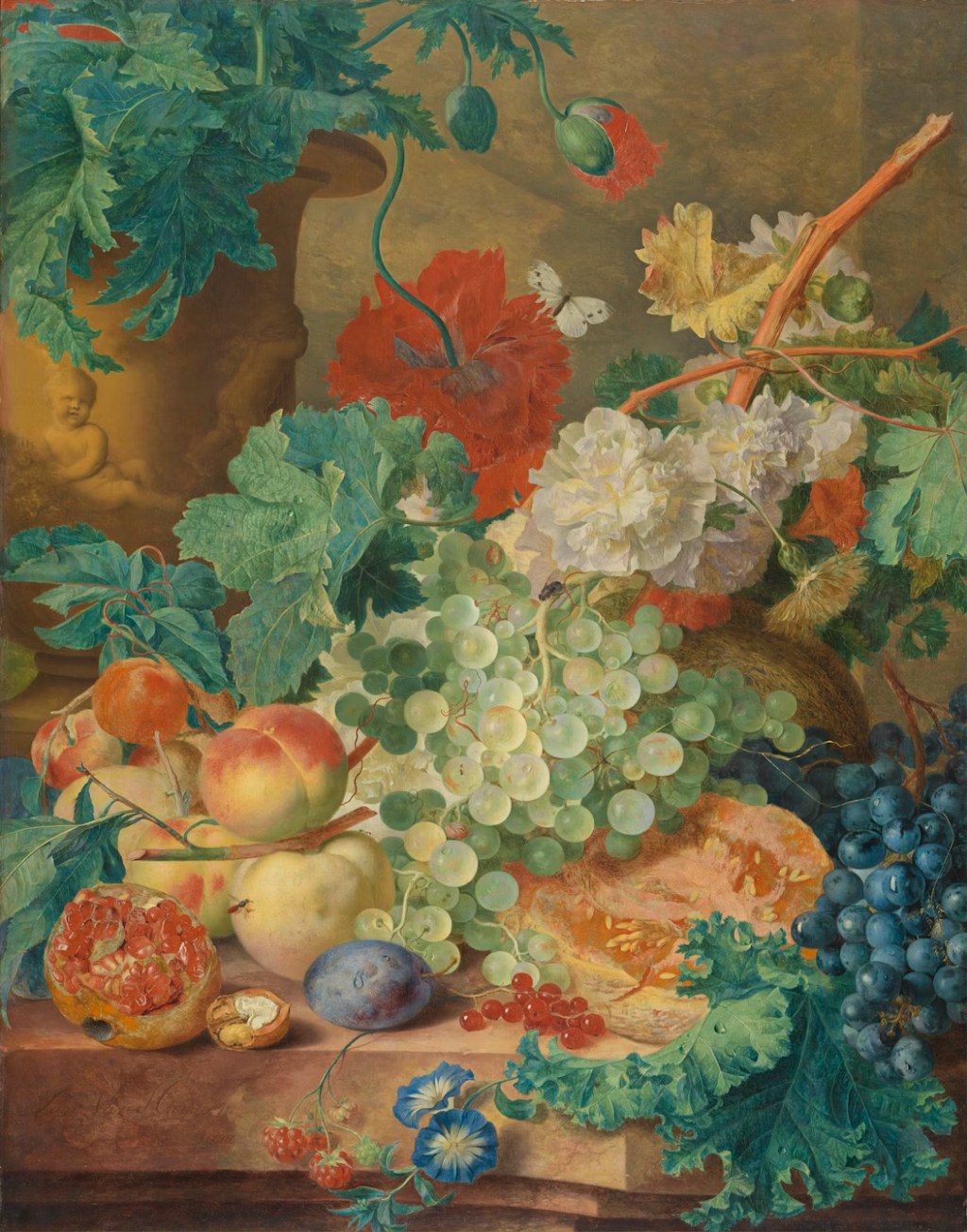
The Mediterranean diet is a widely followed approach to structuring food intake based, supposedly, on the principles and components of Mediterranean cuisine. This generally entails the consumption of whole, natural foods and supplementary additions such as small amounts of red meat or wine.
However, to only glean information on this modern diet from health articles or water cooler conversations leaves much of its potential on the dining table.
Starting with its mythological and pre-historical roots, the following examines the bountiful Mediterranean plate during early human settlement and in the era of modern nutritional science. The aim is to gather a well-rounded view of this popular dietary approach, with understanding maximised thanks to an awareness of the social, historical, and nutritional factors that drive its true effectiveness.
As of the Selfish History ethos, questioning the past for context proves important in following an authentic, informed diet based on Mediterranean principles.
The Food of the Gods
One of the most consequential deaths in Homer’s Iliad is that of Patroclus, cousin of the great Greek hero Achilles.
The pivotal meeting of Hector’s spear and Patroclus’ stomach galvanises Achilles from literature’s biggest sulk, ultimately deciding the fate of all involved. While the Iliad’s grand sweeps are enticing, it is the treatment of Patroclus’ body that acts as a nice introduction to this actionable history of Mediterranean cuisine and the modern ‘diet’ attached.
Amid much lament, a distraught Achilles cradles the body of his friend and is soon joined by his mother, the sea-goddess Thetis. To assuage her son’s fears that flies and worms would defile Patroclus, she drops into the wound(s) a most wholesome substance: ambrosia.
While Homer tends to treat ambrosia as more of a multifunctional ointment, it is also commonly understood as the preferred food of the Greek deities. Ambrosia is closely linked to the vigour and immortality of Zeus et al. and its prominence in myth highlights the importance placed on nourishment in the Hellenist period.
What’s more, later in the story, Athena grants Achilles a modicum of ambrosia so ‘that he may know no hunger’. Humans, it seems, have long dreamt of the ‘magic food pill’ some of us hypothesise about today.
Clearly, ambrosia is not stocked in your local supermarket’s ‘foods of pagan myth’ aisle. Nor does Uber Eats deliver from Mount Olympus – not without considerable waiting times. However, ambrosia may serve as a mythological representation of Mediterranean cuisine which, in modern times, is greatly respected for its health benefits, natural composition, and possible ability to delay one’s journey to Hades by a handful more years.
Food for Ancient Thought
The issue is that many who hear the words ‘Mediterranean diet’ don’t always understand why this way of eating, rooted in classical antiquity, is so respected or indeed how to implement it. Luckily, tucking into a meal of historical and cultural context is a fantastic way to understand Mediterranean cuisine, as well as good nutrition more generally.
While Ambrosia is understood as a concentration of heavenly vigour and all things skyward, the foodstuff of those who wrote of it is firmly on the other side of the gastronomical coin. In fact, the affinity Mediterranean peoples felt for their natural environment and the food it produces is difficult to understate. This is especially the case for ancient Greece, where it seeped into the cultural fabric and remains a welcome stain today.
While reading Greek myth, should a traveller arrive at a stranger’s door a vivid description of their host’s provided food is often short to follow. This is because Greeks heavily valued hospitality, of which good grub is a central component. Even the trapped Odysseus found common ground with the giant Polyphemus through an appreciation for an agreeable drop of wine (much to the latter’s detriment).
Greek myth goes as far to place the creation of man by Prometheus as being shaped from the muddy earth itself. Clearly, the society that purported such a myth placed importance on the output of their natural environment – they themselves were one such product. From delectable sacrifices to crowning a god of wine, vegetation, and fruit, a Grecian terracotta bowl was clearly capable of holding much of the culture it was moulded for.
So, to understand a cherished foodscape so rooted in nature’s bounty, a brief geography lesson is inescapable.
Larder Room of the Earth
Obviously, when widespread international food trade remained some way off, the diet of an average individual was largely shaped by the calories which were locally growable and available. This is in turn very much reliant on environmental and geographical factors. It may seem obvious but, back when the air miles of your apple was how far you could throw it, where one was born was the largest determinant of what constituted their caloric intake.
The geographical region to be thanked for localised Mediterranean cuisine is, of course, those lands surrounding the Mediterranean sea. While we have entered this region through Greece, it spans three continents (Africa, Asia, Europe) from Gibraltar to Beirut. It is here that we arrive at the realisation that our notion of the ‘Mediterranean diet’ maybe doesn’t fully match the geographical region it is named after.
I’d wager it is uncommon – although it is geographically correct – that a Brit or American following the Med diet eats Maghrebi, Albanian, or Egyptian dishes more often than Spanish, Italian, or Greek. Westernised or not (more on that later), I will focus on the underlying nutritional science and much of the shared staples to come from the Mediterranean Basin for sections concerning specific examples.
***
The Mediterranean Basin is the world’s third most biodiverse region for plant life, as well as a hotspot for mammals, birds and sea creatures. To support such an impressive array of life, a natural potential to grow an equally diverse selection of crops is to be somewhat expected.
What is known as a ‘dry summer climate’ is much to thank for this now-famous agricultural capacity. This refers to a combination of wet, mild winters and hot, dry summers that achieves those ‘just right’ conditions for the growing of crops and rearing of animals. Moreover, proximity to the enclosed Mediterranean sea also improves access to seafood – the preferred animal component of the Mediterranean diet.
Pre-literary historical record indicates that the peoples of the eastern Mediterranean enjoying their dry summer climate grew a variety of crops, including wheat and chickpeas, as early as the 9th millennium BC. Such staples are still widely consumed today, their growth remaining facilitated by the region’s geographical and climatic context. This is also among the earliest evidence for the adoption of agricultural practices.
The significance of this pre-historical record is further emphasised when considering that this shift in gathering calories is understood to have changed human societies (and survival) on a fundamental level. As access to food became considerably more predictable and static under an agricultural setup, the phasing out of nomadic hunter-gathering was underway across the Mediterranean.
This is bolstered by the fact much of the eastern Mediterranean is located in ancient Mesopotamia, the so-called ‘cradle of civilisation’. And so the food-friendly environment of the Mediterranean Basin is revealed as a potentially powerful factor in the development of human settlement itself.
It is doubtful that the centrality of food in the social fabric of Mediterranean societies had no effect on the success of these early human settlements. For instance, placing social importance on food improves community cohesion through the daily conversation and togetherness that collective eating allows. Either way, thousands of years before ambrosia was committed to myth, these early societies performed real magic: the cultivation of settled land for crop growth.
However, to attach such historical significance to only the Mediterranean Basin’s climate and geography, as we have done above, is to ignore a key component: the nutritional quality of the output. While one may expect an ideal growing climate and quality nutritional return to be closely linked, this is no guarantee. Clearly, something about the balance of crop and livestock made available to early adopters of husbandry in the region was beneficial from a health perspective and, by extension, in a Darwinian sense.
Of course, knowledge of the relationship between food intake and health outcomes such as heart strength, blood sugar, and brain activity could not be scientifically proven for most of human history in the Mediterranean. That said, the success of these specific food sources, as well as the treatment of food in a social sense, in fostering human health in the Mediterranean region is today understood through the medium of nutritional science. Therefore, the following sections attempt to explain the science behind a selection of Mediterranean diet health claims.
However, the nutritional benefit of Mediterranean foodstuffs is crucially not locked behind the understanding of those consuming it; antioxidants do not activate upon completion of a multiple-choice exam. To bear in mind, then, is the effectiveness of this food approach for millennia before the emergence of modern data in support of the health of many Mediterranean peoples. To them, closeness to their environment and the wellbeing it endowed them was a feeling more profound than a scientific paper’s endorsement.
Pillars of the Mediterranean Diet
Olives: Monounsaturated Fat
First, a customary long-winded analogy to get to the point.
Hindu mythology and the Mediterranean diet have something surprising in common. In the former, the world is said to be held on the back of a great turtle. But what does an equivalent all-bearing component of Mediterranean food have in common with this otherworldly reptile? The answer: they are both olive-green.
Olive shrubs and their fruit have been cultivated for thousands of years throughout the Mediterranean Basin. And Olive oil – the liquid fat of the tree’s prize – has been produced for just as long.
This, according to Homer, ‘liquid gold’ has functioned as a precious commodity for everything from lighting oil lamps and performing religious ceremonies, to medicinal usage and traditional culinary application. Olive oil also lubricated the emerging pathways of trade in the ancient Mediterranean, as well as the bodies of the first Olympians (the victorious of whom would also be crowned with an olive wreath).
While olive oil may have lost much of its ancient status (in some ways we can be thankful doctors take not after Hippocrates, who touted olive oil ‘the great healer’) it remains at the core of Mediterranean cuisine. A degree of nutritional benefit must therefore be present, otherwise this venerated fruit would have been selected out of the pantheon of Mediterranean staples and be left voiceless in the forum of the Mediterranean diet.
You may have heard of ‘good’ fats in relation to olive oil – but what are they? Another seeming conundrum lies in reconciling the very high fat and calorie content of olive oil with its supposed health benefits. Insight is found in the type of fat found in olive oil. This is known as monounsaturated fat.
Olive oil betrays its monounsaturated nature when put in the fridge, whereafter it solidifies. I am told this is because they hold one double bond in their chemical structure. However, instead of the biochemical reason, I would prefer (and am more qualified) to discuss why this instead helps to solidify the health reputation of the Mediterranean diet.
Monounsaturated fats are a staunch defender for us in a number of key bodily battlegrounds such as the heart, liver, and blood vessels. As health enforcers, they conduct a strict stop and search policy on transport packages known as lipoproteins, with a particular distaste for ‘low-density lipoproteins’ which you may know as ‘bad cholesterol’.
Hippocrates may not have known it, but his consumption of olive oil and that of his patients led to their livers producing less low-density, bad cholesterol and more high-density, good cholesterol – all at monounsaturated fat’s behest. The most marketed result of flushing out excess bad cholesterol is improved overall heart health, although this is but one among many other benefits including improved blood flow thanks to reduced plaque in our arteries.
As well as olives and their oil, the Mediterranean diet offers up monounsaturated fats in the form of fish, red meats, whole grain cereal, and nuts. The impressive heart health of Mediterranean peoples, even when economic and social factors may suggest this shouldn’t be the case, can therefore be, in part, attributed to monounsaturated fat intake.
Finally, in the interest of balance, it’s worth pointing out that low-density bad cholesterol still holds important functions relating to cell function and energy. Our livers realise this, so chugging olive oil to quell all ‘bad’ cholesterol is misadvised. The function of monounsaturated is instead to promote a sweet spot between high and low density lipoproteins.
Oxido’s And Oxidants
In the same vein as ‘good fats’ (thematically and, I’m sure on occasion, vascularly), ‘antioxidants’ is another buzzword thrown around by those on the Mediterranean diet.
Explaining the actual role of an antioxidant (beyond holding vaguely Benjamin Button properties) begins, and ends, with something that sounds uncannily like a prog rock band or jazz outfit: free radicals.
An unwanted chemistry lesson can be avoided by describing free radicals, which are formed naturally through environmental and physical processes, as electron-hungry chancers. You see, cells are generally happiest with a paired electron. Free radicals, like most of my footwear, are found without a pair and so begin a chain reaction of stealing electrons from nearby cells.
If left unchecked, scientists link unchallenged free radical activity to a molecular imbalance called oxidative stress (some nomenclature: it is free radical’s stealing of electrons that defines them as an ‘oxidant’, or promoter of this stress). Linked outcomes of oxidative stress include autoimmune disease, cancer, arthritis, and indeed even the broad process of ‘ageing’.
But, the term molecular imbalance implies a stabilising opposition promising the restoration of order and electrons. Science wasn’t exactly imaginative in calling these antioxidants. Unlike monounsaturated fats and their want to smother low-density lipoproteins in the cot, antioxidants deradicalise cells through the generous gift of sharing electrons to those in need.
So, antioxidants prevent the dangerous and perhaps ageing effects of oxidative stress through lending an electron to a free radical on the warpath. With that, we may turn to how to introduce them to our plates and palates and the dietary reasons Mediterranean peoples are flushed with them. First though, let’s address one of the Mediterranean diet’s most debated inclusions.
The Red Wine Question
Discussion of antioxidants above may have signalled to many that old adage: a glass of red wine per day represents the perfect antioxidant hit. Its controversial place in the Mediterranean diet likely stems from its centrality in Classical culture, mythology, and surviving literature. When combined with the ubiquitousness of viticulture in the Mediterranean Basin and modern cheerleaders for its antioxidant content, this has led red wine to become synonymous with a healthy Mediterranean intake.
Wine is indeed one of the most documented ‘medicines’ of the ancient world, although its treatment was not universally positive and the dangers of the fermented red grape were well understood by the Classical period. Roman author Pliny the Elder, in his ~77 AD Natural History, is credited to the phrase ‘in vīnō vēritās, in aquā sānitās’. His words posit that in wine there is truth (the kind that is unwanted and best left hidden) and in water, sense and good health.
If you believe a mixture of loose-lipped truth telling and watered down reservation is best, your stance matches the wine drinking convention in much of Mediterranean history. While ancient sources differ – The Odyssey mentions a water/wine ratio of 20:1 – a concoction of three parts water to one part wine emerges as a general rule. The resulting alcohol percentage is significantly lower than today’s offerings and, it seems, the advice to pace oneself with water stretches back further than many may think.
All that said, it is no lie that grapes (especially red) retain antioxidants during the fermentation process. The antioxidants found in wine are known as polyphenols, and they are often found most concentrated in red varieties such as Pinot Noir and Sauvignon Blanc.
However, as ‘antioxidant’ is an umbrella term for many sources, it is not recommended to rely on a couple of swift glasses to call it a day on ageing. Clearly, a broader range of antioxidants were on offer to Mediterranean peoples than the grape and we will cover a selection shortly.
So, red wine isn’t entirely void in the Mediterranean diet. While its polyphenol (antioxidant) content is relatively minor, it remains among the best of a bad alcoholic bunch. Its true value may lie in its social benefit – this being an often ignored pillar of what makes Mediterranean consumption principles good for you. Perhaps in vīnō (parvum) vēritās. In wine, there is a small truth.
***
Beyond the grape there lies multiple streams of antioxidant sources among Mediterranean food staples. Among others, olive oil, nuts, fish, lentils, and chickpeas contain antioxidant compounds. These range from nutritional (Vitamin C and E ) to mineral sources of antioxidants, such as zinc and selenium.
Important to note is that antioxidant supplementation is shown to be considerably less effective than a diverse intake derived from natural whole foods – another staple of the modern Mediterranean diet. The support for consumption of whole foods is reflected in the nutritional robustness of whole grains and the unprocessed nature of many Mediterranean dishes. The ‘wholesome’ nature of this culinary approach is therefore more than a useless descriptor.
With all of the above established, science soon arrived at the same conclusion made by Mediterranean peoples millenia ago: that the foodscape of the Mediterranean was something slightly special. What we understand of ‘the Mediterranean diet’ was soon to follow. However, it is not without its critics, not least from historical and social angles.
The Mediterranean Diet: A Modern Invention
A strict history of the Mediterranean diet would begin in 1975, when American biologist Ancel Keys and his wife Margaret ‘invented’ the diet. It came about after Ancel linked the concentration of centenarians and low levels of cardiovascular disease in southern Italy with the characteristics of food intake there and in surrounding regions.
The Mediterranean diet is therefore a westernised, American phenomenon. Its narrow scope contracts further as the pair focused primarily on Italy and Greece (especially Crete) in their formulation of the diet’s principles and content.
What Ancel and Margaret perhaps missed is the myriad social and historical factors, fed by thousands of years of human settlement and interaction, that drive the health outcomes of Mediterranean peoples alongside nutritional science. To follow and find success in the Mediterranean diet, an appreciation for these contextual factors is, I believe, important.
What the Mediterranean diet certainly isn’t is a summation of all Mediterranean culture and cuisine. Through Ancel’s lens, it is better viewed as a useful generalisation of select regions – a ‘greatest hits’ ignoring the all-important album tracks.
Of course, the health benefits of the Mediterranean diet are well researched and we have indeed discussed a handful. They remain valid to those following it. However, all of the desirable health outcomes are achievable without following the associated ‘diet’ of 1975. This is because people had already been reaping the nutritional reward for many centuries prior, in a more holistic way that promoted a wider sense of wellbeing.
A Diet or a Lifestyle?
So, then. The Mediterranean diet is a result of modern science converging with the ancient thought and feeling of those who cherish the natural food environment of the Mediterranean Basin. It may be true that both camps offer equally valid endorsements of the possible benefits to be found in eating this way.
Next, and this is the crux of it, while the nutritional benefits are absolutely achievable and understood, the Mediterranean diet can be much more than a simple ‘start on Monday’ fad. Instead, with a well-rounded appreciation for the history and culture that underpins it, this evolved Mediterranean diet can represent an overhaul on one’s approach to food, even life.
In its stripped-back state, perfect for diet magazine ‘top 10’ lists and vague exoticism, Ancel’s brainchild ignores that the simple meal in Mediterranean thought has historically been raised to religious importance. In essence, treating it as a diet sucks the point out of it.
A true adherent to the Mediterranean diet needs to appreciate that this attitude to food is an ideal antidote to the way in which eating in many modern cultures has become sidelined and scarcely recognisable. The Mediterranean approach to food is a window not only into recognising health benefits but also into reclaiming the meaning of food, and its historic social importance, instead of simply being the intake of calories. It is a way to stand in the shoes of those who felt the benefit of this nature-led diet long before it was clinically proven.
Modern food systems, while not to be thanked for an unwelcome shift in attitude toward convenience, can be praised for allowing many more people to follow the ancient dietary principles of Mediterranean cultures. These principles and their positive potential are doors that were previously geographically and economically locked for many. However, they are now swung open to those looking to listen to history and respect food by placing it back on the cultural menu.
As ancient peoples have tried to tell us, calories are but one of many forms of nourishment gained from the act of eating.
Selfish History’s Book Recommendation:
Olive: A Global History by Fabrizia Lanza
I am a particular fan of general histories that use something seemingly mundane and arbitrary as the main narrative driver. This book gives the olive a rigorous historical treatment. Olive: A Global History follows the fruit from its place in ancient myth all the way to its high esteem in today’s Mediterranean diet.
The author – Fabrizia Lanza – also makes stops throughout to provide recipes, highlighting the olive’s treatment across history by the many cultures it encountered.


 Selfish History
Leave a comment